Personal Development
- Increased empathy & compassion
- Enhanced cultural awareness
- Improved communication & teamwork skills
- Boosted confidence & independence
- Stronger sense of purpose & responsibility

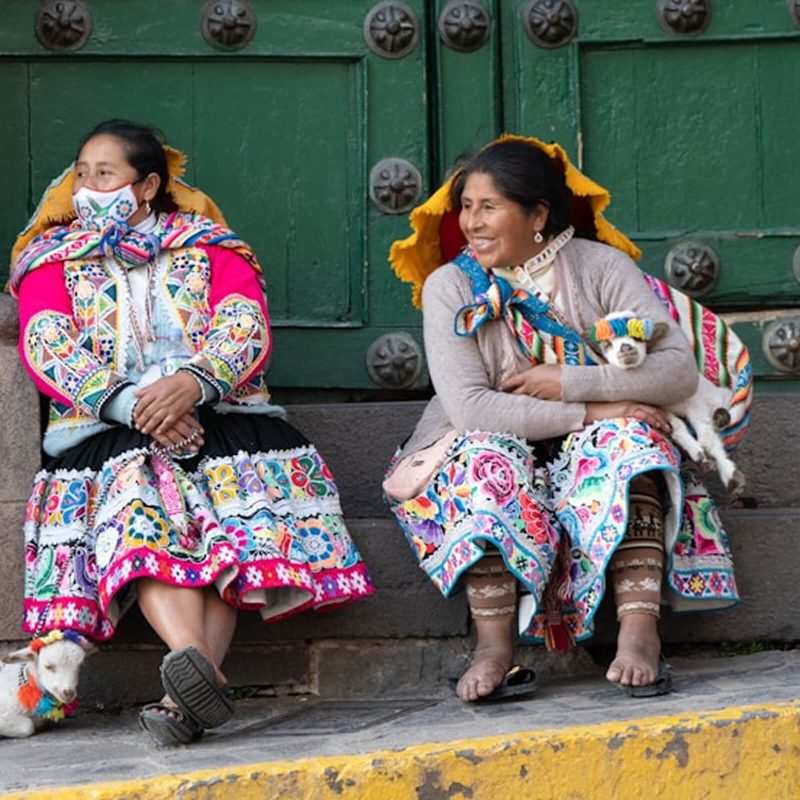
We invite students to explore a rich tapestry of Indigenous heritage, ecological innovation, and community life. Living and learning alongside Tseltal and Tsotsil communities, as well as intentional ecovillages, participants discover how ancestral knowledge and contemporary regenerative practices can coexist.
This educational journey encourages students to explore different approaches to community life, our relationship with the natural world, and how people can live and work together more collaboratively. Through meaningful encounters with Maya communities, students gain insight into knowledge passed down through generations, living cultural traditions, and the deep connections between people, community and the land. Alongside these experiences, they explore intentional communities that are developing more collaborative and environmentally responsible ways of living together.
Throughout the journey, students are encouraged to learn with people rather than simply about them. From spending time in forest environments and experiencing daily life within an ecovillage to exploring bio-construction, agroecology, permaculture and appropriate eco-technologies, each experience becomes an opportunity to question familiar assumptions and consider different responses to contemporary social and environmental challenges.
The programme also creates space for reflection, critical thinking and intercultural exchange. Students encounter different customs, perspectives and ways of organising community life while discovering the extraordinary cultural, natural, architectural and archaeological heritage of Chiapas.
At the heart of the journey is a simple question: how can we live well together while respecting both people and the natural world? Students are introduced to the Tseltal concept of lekil kuxlejal, often translated as “good living”—a vision of wellbeing rooted not only in individual prosperity, but in dignity, community, reciprocity and a balanced relationship with the environment.
The journey is designed to ensure that participation also creates meaningful local value. We work with locally owned businesses, artisans, cooperatives and community organisations, helping to keep economic benefits within the places we visit. As part of this commitment to reciprocity, each participating student contributes towards a scholarship for a local young person, supporting access to training opportunities in areas such as bio-construction, agroecology and artistic expression.
In this way, the programme becomes more than an educational trip: it is an opportunity for shared learning, meaningful exchange and reflection on the kind of future we want to help shape.

Arrive in Mexico and settle into your accommodation before coming together for a warm welcome and introduction to the journey ahead. The first day offers time to rest, connect as a group and begin discovering the sights, sounds and atmosphere of Mexico, setting the scene for the experiences to come.


The morning begins by deepening our understanding of the cultural landscape surrounding San Cristóbal before travelling to the nearby Tzotzil Maya community of San Juan Chamula. Here, students explore a distinctive cultural and spiritual identity shaped by the encounter between Maya traditions and Catholicism. Through observation and guided interpretation, they learn how ancestral beliefs, community structures and contemporary life continue to coexist and evolve.
We then continue to Pilalchen, where the experience becomes more personal and participatory. Spending time alongside a local family, students discover everyday community life through conversation and a guided walk through the village. The day concludes with community-led activities responding to locally identified priorities, creating an opportunity to contribute while learning directly from the people who call Pilalchen home.

Students spend the day alongside a local Indigenous community, transitioning from learning about community life to participating in it. Activities are identified and coordinated directly with community authorities and local partners, ensuring that the work responds to genuine priorities rather than externally imposed ideas.
Depending on current needs, students may contribute to projects in schools and youth spaces, ecological building, environmental initiatives, community clean-ups, or the restoration of shared spaces and family homes. Activities might include supporting the installation of appropriate eco-technologies, improving communal facilities or collaborating on locally led social initiatives.
Above all, the day is about working with, rather than for, the community—sharing skills, exchanging perspectives and understanding how meaningful collaboration begins by listening to local priorities.

Today, we continue our journey of exchange and collaboration by spending time with another local Indigenous community. Students work alongside community members on locally identified initiatives, gaining a deeper understanding of everyday life, local priorities and the importance of collective action.
Activities are developed in partnership with community authorities and local organisations, ensuring that participation is appropriate, meaningful and rooted in genuine community needs. Beyond the practical contribution, the experience encourages listening, cooperation and mutual learning—reinforcing the idea that meaningful engagement is built on reciprocity rather than simply “helping.”

After a free morning, we travel to the Crisalium Civil Association’s ecovillage, set within the forest outside San Cristóbal de las Casas. Here, students are introduced to the idea of an intentional community and explore what it means to organise everyday life around cooperation, shared responsibility and a closer relationship with the natural environment.
Through an introductory circle, a guided tour and hands-on activities, students discover both the opportunities and challenges of communal living. They explore permaculture, responsible water management and ecological sanitation systems, considering how communities can rethink the way they use resources and live together.
The day ends around a campfire in the forest, creating space for conversation and reflection on what this experience might teach us about community, sustainability and our own ways of living.

In the morning, we return to El Encuentro Park, where students work alongside young people from a local organisation on practical forest conservation and restoration activities. Depending on the needs of the park, this may include habitat restoration, trail maintenance and environmental signage, contributing directly to the care of this important natural space.
The experience concludes with a series of reflection and closing activities, giving students an opportunity to consider what they have learned, the relationships they have built and the perspectives they will take home with them. We then return to San Cristóbal de las Casas for a final farewell dinner, bringing our shared journey through Chiapas to a close.

After breakfast, we depart for Tuxtla Gutiérrez, stopping along the way at the spectacular viewpoints overlooking Sumidero Canyon. With its dramatic cliffs rising up to 1,000 metres, the canyon offers a memorable final encounter with the landscapes of Chiapas and a chance to reflect on the journey before heading home.
From the canyon, we continue to Tuxtla Gutiérrez Airport for our flight to Mexico City, marking the transition from our community-based experiences in Chiapas to the final chapter of the journey

After breakfast, we leave Mexico City for Teotihuacan, one of the most significant archaeological sites in the Americas and a UNESCO World Heritage Site. Once one of the largest cities in the ancient world, Teotihuacan offers students a remarkable window into the societies that shaped Mexico long before the arrival of the Spanish. Walking along the Avenue of the Dead, we explore its monumental ceremonial landscape, including the Pyramids of the Sun and Moon, while learning about the city’s history, beliefs and enduring influence.
Returning to Mexico City, we continue our exploration of the country’s complex past at the Plaza of the Three Cultures (Tlatelolco), where Indigenous, colonial and modern Mexico converge in a single place. Here, students also learn about the 1968 Tlatelolco massacre, a defining moment in Mexico’s modern political and social history.
We conclude the day at the Basilica of Our Lady of Guadalupe, one of the world’s most important Catholic pilgrimage sites. Its story offers another perspective on the meeting of Indigenous and European traditions and the role that faith, identity and cultural transformation continue to play in Mexican society.

Students return to the UK with new perspectives, shared memories and a deeper understanding of community, culture and responsible travel. The journey may be over, but the learning continues—through reflection on the people they met, the stories they heard and how these experiences might shape the choices they make at home.